
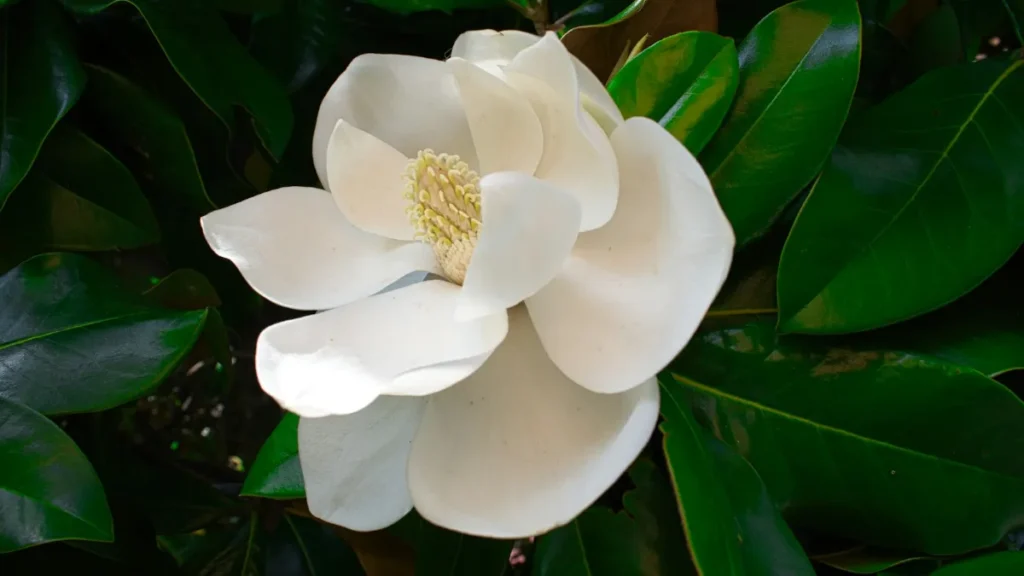
Magnolias are loved for their huge flowers, but the big ones come with big chores. A southern magnolia can grow 80 feet tall, drop tough leaves all year and spread roots far past its branches. Smaller deciduous magnolias are easier to live with but can still be hit by magnolia scale.
This guide covers the main types of magnolia, the most common problems, when removal makes sense and what magnolia tree removal costs in 2026.
Types of Magnolia Trees
NC State Extension explains that magnolias come in two groups: “Some are deciduous, and some are evergreen.” Most garden magnolias are 10 to 30 feet tall, while hybrids range from 8 to 40 feet.
| Magnolia | Typical mature size | Leaves |
|---|---|---|
| Southern magnolia (Magnolia grandiflora) | 60–80 ft tall, 30–40 ft wide | Evergreen, large and leathery |
| Saucer, star and Loebner magnolias | About 8–30 ft tall and wide | Deciduous; flowers before leaves |
Sizes from University of Florida IFAS and NC State Extension (linked below).
Southern Magnolia
The University of Florida IFAS fact sheet lists southern magnolia at 60 to 80 feet tall with a 30- to 40-foot spread, growing at a moderate rate. It is the classic evergreen magnolia of the South, with large, glossy leaves and big white summer flowers. In colder areas, Utah State University Extension notes it needs winter wind and sun protection, and leaves may brown and fall.
Deciduous Magnolias
Saucer and star magnolias are smaller trees or large shrubs that flower in early spring. NC State describes Loebner magnolia, a cross of the two, as an 8- to 30-foot “deciduous large shrub or small tree.”
Magnolia Leaf Litter
Southern magnolia is evergreen, but it still sheds. UF IFAS says older leaves drop as new foliage emerges, and some people “consider this a litter nuisance” because the large leaves break down slowly and collect on lawns, patios and sidewalks. Low branches and dense shade also make it hard to grow grass beneath the tree. Many owners simply leave the lower limbs on and mulch underneath.
Magnolia Roots
Magnolia roots spread wide. UF IFAS says the root system can extend “a distance equal to about four times the canopy width.” The roots are not usually considered damaging, but they compete with lawn and nearby plants. When planting near a house or drive, check our guide to tree distance from a foundation.
Common Magnolia Problems
Magnolia Scale
Penn State Extension calls magnolia scale “one of the largest scale insects in the United States.” Adult females grow to about half an inch, covered in white wax, and feed only on magnolias. Signs include:
- Sticky honeydew on leaves, cars and patios, followed by black sooty mold.
- Ants, wasps and yellowjackets visiting the tree.
- Fewer leaves and flowers, and twig and branch dieback.
Penn State says heavy infestations can seriously injure or kill a tree. Control timing:
- Early spring: dormant horticultural oil before buds open, after the risk of freezing nights.
- Late August to September: a labeled insecticide aimed at the crawlers.
Other Problems
NC State lists Verticillium wilt, sooty mold and chlorosis (yellow leaves) in high-pH soils, plus yellow poplar weevil and deer browsing on young trees. UF IFAS adds that magnolia borer can girdle young trees below the soil line.
Should You Remove a Magnolia?
Keep it if it is healthy, has room to grow, and you can manage the leaves.
Consider removal if:
- Heavy scale or wilt has killed large parts of the crown.
- A southern magnolia has outgrown a small yard or is crowding the house.
- Limbs hang over the roof, drive or power lines.
- The tree is dead. See dead tree removal cost.
Our guide on when to remove a tree instead of treating it walks through the decision.
How Much Does Magnolia Tree Removal Cost?
HomeGuide lists $150 to $1,000 to remove a magnolia, with typical heights of 10 to 70 feet. Small deciduous magnolias sit at the low end; large southern magnolias at the top or beyond. By height, Lawn Love’s 2026 averages are:
| Magnolia tree size | Typical removal cost (2026) |
|---|---|
| Up to 30 ft (most deciduous magnolias) | $285 – $435 |
| 30–60 ft | $435 – $870 |
| 60–80 ft (large southern magnolia) | $870 – $1,160 |
| Stump removal (added cost) | $180 – $525 |
National averages; local prices vary.
What affects the price:
- Evergreen bulk. Southern magnolias have dense, heavy foliage to chip and haul.
- Low branches. Wide, low limbs take time to cut and lower around buildings.
- Stump and wide roots. Grinding a large magnolia stump costs more; see how to remove a tree stump and the stump removal cost calculator.
For small trees, see small tree removal cost. Get a quick figure with the tree removal cost calculator or compare species with the cost by size and type calculator. You can browse other species in our tree species guide.
Frequently Asked Questions
How big does a southern magnolia get?
University of Florida IFAS lists 60 to 80 feet tall and 30 to 40 feet wide. Deciduous magnolias are much smaller, usually under 30 feet.
Do magnolia trees have invasive roots?
Magnolia roots spread wide, up to about four times the canopy width, but UF IFAS rates them as not a problem for structures. They do compete with lawn grass and plants underneath.
What is the white stuff on my magnolia branches?
Likely magnolia scale, a large soft scale insect covered in white wax. It produces sticky honeydew and black sooty mold.
Why does my southern magnolia drop leaves?
Southern magnolias shed older leaves as new growth emerges, mostly in spring. This is normal.
How much does it cost to remove a magnolia tree?
HomeGuide lists $150 to $1,000. Large southern magnolias near buildings can cost more, and stump removal adds about $180 to $525.
Sources: NC State Extension, Magnolia · University of Florida IFAS, Magnolia grandiflora: Southern Magnolia · Utah State University Extension, Southern Magnolia · Penn State Extension, Magnolia Scale · HomeGuide, Tree Removal Cost · Lawn Love, How Much Does Tree Removal Cost? (2026)
Last updated: November 20, 2026.