
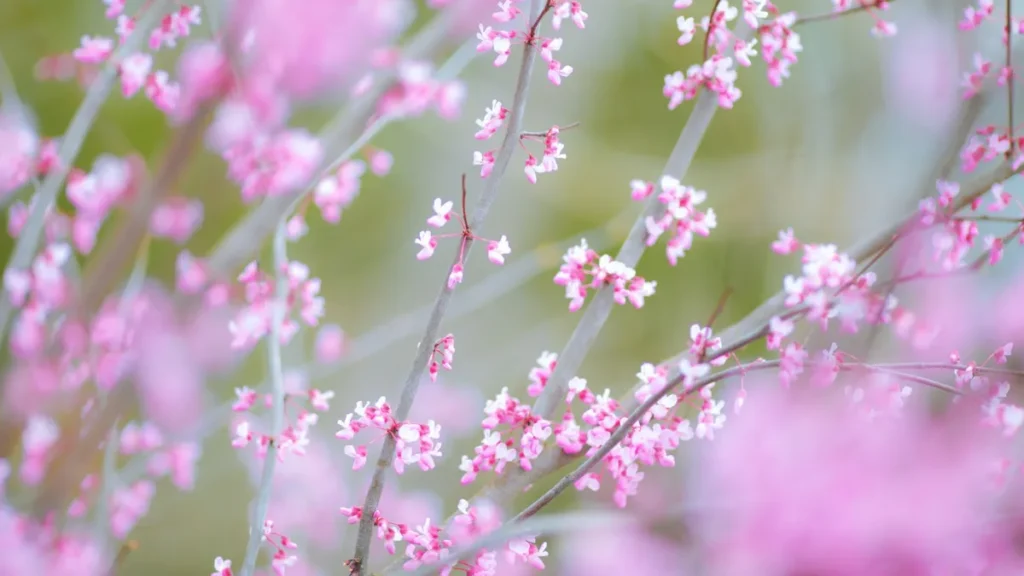
Flowering dogwood is one of the best-loved small trees in eastern North America, with white or pink spring blooms, red fall leaves and bright berries. It is also prone to disease. Dogwood anthracnose has killed many trees, and powdery mildew and borers weaken many more.
This guide covers the main types of dogwood, the diseases behind most dying dogwoods, when to replace a tree and what dogwood tree removal costs in 2026.
Flowering Dogwood vs. Kousa Dogwood
| Dogwood | Typical size | Key notes |
|---|---|---|
| Flowering dogwood (Cornus florida) | 15–25 ft tall, 15–30 ft wide | Native to eastern North America; disease-prone |
| Kousa dogwood (Cornus kousa) | Small tree | Resistant to anthracnose and decline |
Flowering Dogwood
NC State Extension lists flowering dogwood at 15 to 25 feet tall and 15 to 30 feet wide, native from southeastern Canada through eastern North America to eastern Mexico. It prefers well-drained soil and a 2- to 4-inch layer of mulch to keep roots cool, and NC State notes it does not tolerate pollution and “can be difficult to grow in urban settings.”
Kousa Dogwood
Penn State Extension recommends kousa dogwood and kousa-florida hybrids as replacements because they “are resistant to anthracnose and decline.”
Why Is My Dogwood Dying?
Dogwood Anthracnose
Dogwood anthracnose is caused by the fungus Discula destructiva. Penn State describes leaf spots up to a quarter inch with reddish-brown halos, plus dead twigs and branches, and notes that “lower twigs and branches die.” It can be fatal: “The entire tree may be killed over a period of years.” NC State notes it occurs mainly at higher elevations in North Carolina, above about 1,800 feet.
Spot Anthracnose
A milder disease (Elsinoë corni) that causes small reddish-purple spots on flower bracts and leaves. The spots often drop out, “leaving shot holes.” NC State says it is more common than dogwood anthracnose in much of North Carolina.
Powdery Mildew
White, powdery fungal growth on leaves in late summer and fall. Penn State notes that kousa and several other dogwood species resist it better than most flowering dogwoods, and lists resistant flowering dogwood cultivars such as ‘Appalachian Snow’ and ‘Appalachian Joy’.
Borers and Stress
Dogwood borer larvae tunnel under the bark. Penn State lists protecting trees from drought, winter injury and dogwood borer attack as part of managing disease, and keeping mowers and trimmers off the trunk avoids wounds.
Can a Diseased Dogwood Be Saved?
Penn State’s management steps for anthracnose:
- Prune out and destroy dead twigs and branches in winter and whenever you see them in the growing season.
- Rake up and destroy fallen leaves.
- Water in dry spells and mulch to reduce stress; keep mowers away from the trunk.
- Apply a fungicide at bud break where disease is a recurring problem.
If most of the crown has died back, or the trunk has cankers, the tree is unlikely to recover. Penn State’s advice is to replace dying trees with kousa dogwood or kousa-florida hybrids. See when to remove a tree instead of treating it.
How Much Does Dogwood Tree Removal Cost?
Dogwoods are small trees, so removal is usually inexpensive. Lawn Love’s 2026 averages by height:
| Dogwood tree size | Typical removal cost (2026) |
|---|---|
| Most dogwoods, up to 30 ft | $285 – $435 |
| Stump removal (added cost) | $180 – $525 |
National averages; local prices vary.
What affects the price:
- Location. Dogwoods are often planted in beds near the house, so careful cutting adds time.
- Bundling. Adding a dogwood to a larger tree job, or removing several at once, lowers the cost per tree.
- Stump. Grind the stump if you are planting a replacement in the same spot; see the stump removal cost calculator.
Small dead dogwoods are sometimes a reasonable DIY job; see small tree removal cost and our guide to tree felling techniques. For a quick estimate, use the tree removal cost calculator or the cost by size and type calculator. Browse other species in the tree species guide.
Frequently Asked Questions
How tall does a flowering dogwood get?
NC State Extension lists 15 to 25 feet tall and 15 to 30 feet wide.
What is killing my dogwood tree?
The most common causes are dogwood anthracnose, which kills twigs and branches and can kill the tree over several years, plus stress from drought and dogwood borers. Powdery mildew and spot anthracnose damage leaves but are rarely fatal on their own.
Is kousa dogwood better than flowering dogwood?
Kousa and kousa-florida hybrids resist anthracnose and decline, according to Penn State Extension, which makes them good replacements where dogwood disease is a problem.
Can I save a dogwood with anthracnose?
If damage is limited, pruning dead wood, raking up leaves, watering in dry spells and spraying at bud break can help. Heavily damaged trees are best replaced.
How much does it cost to remove a dogwood tree?
Most dogwoods cost about $285 to $435 to remove, plus $180 to $525 if you want the stump ground, based on Lawn Love’s 2026 national figures.
Sources: NC State Extension, Cornus florida (Flowering Dogwood) · Penn State Extension, Dogwood Diseases · Lawn Love, How Much Does Tree Removal Cost? (2026)
Last updated: November 20, 2026.